Grade 1-2 Wound Treatment with LED Light Therapy
Grade 1-2 wounds — from superficial cuts and abrasions to partial-thickness wounds — benefit from early intervention. Wound Blaster's triple-wavelength LED technology increases local blood flow, augmenting the body's natural repair functions and supporting wound closure.
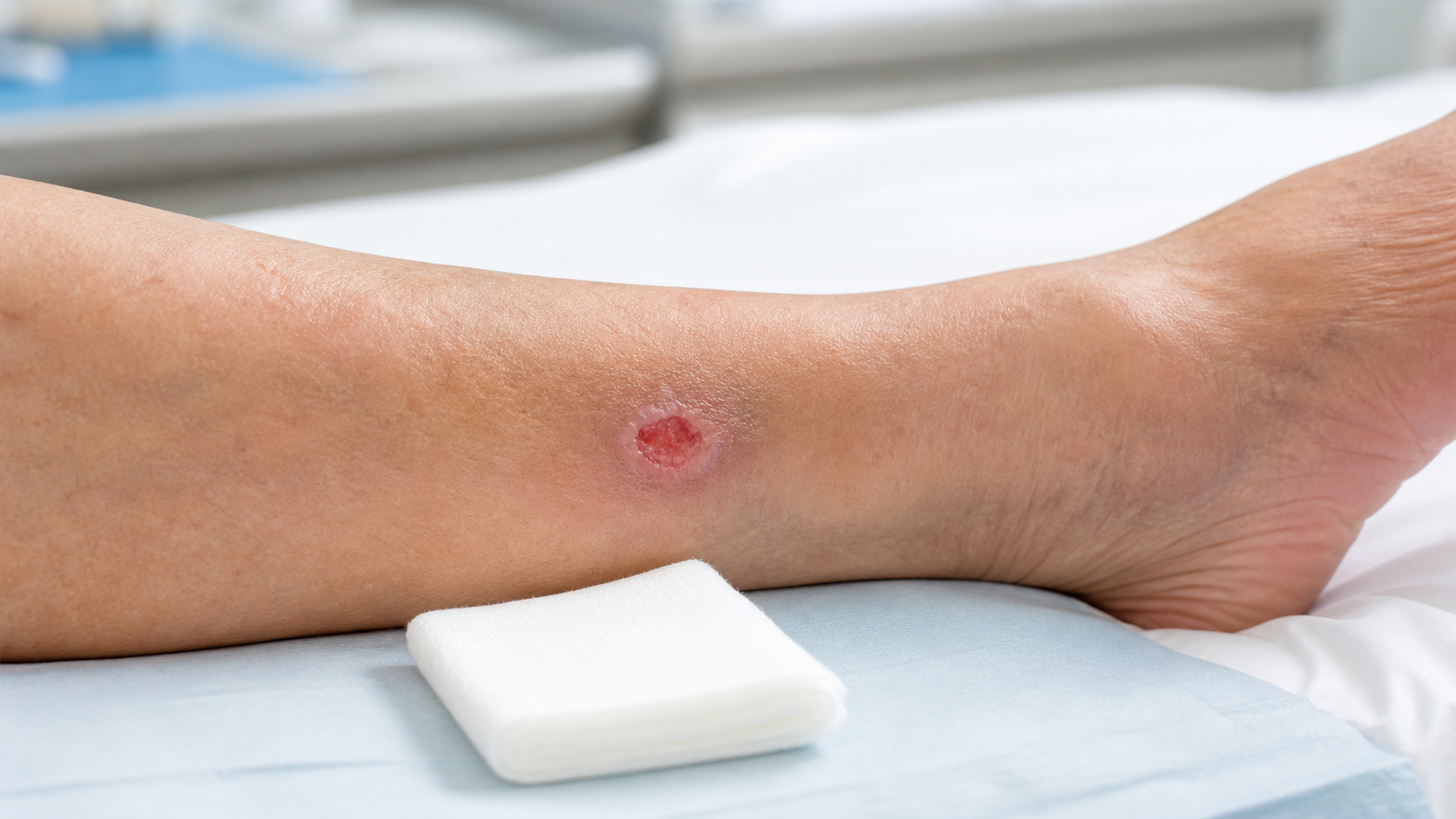
Understanding Wound Grades
Wound classification helps determine the right treatment approach
Superficial Wounds
Damage limited to the outer skin layer (epidermis). The skin is intact but may show redness, warmth, or discoloration.
- Minor scrapes and abrasions
- Superficial burns (1st degree)
- Stage 1 pressure injuries
- Skin irritation and redness
- Post-surgical redness
Partial-Thickness Wounds
Damage extends through the epidermis into the dermis. The wound bed may appear pink/red, moist, and may blister.
- Deeper cuts and lacerations
- Partial-thickness burns (2nd degree)
- Stage 2 pressure injuries
- Skin tears
- Blisters with broken skin
Why Early Treatment Matters
Intervening early prevents minor wounds from becoming major problems
Prevent Infection
Open wounds are vulnerable to bacteria. Faster closure means a shorter window of infection risk and less need for antibiotics.
Stop Progression
Grade 1 wounds can deteriorate to Grade 2 or worse without proper care — especially in patients with diabetes or poor circulation.
Better Cosmetic Outcomes
Wounds that close faster with adequate blood supply tend to produce less scar tissue and better cosmetic results.
Reduce Care Costs
Treating minor wounds early and effectively avoids costly emergency room visits, specialist referrals, and extended treatment courses.
Augmenting the body's natural repair functions with Wound Blaster for Grade 1-2 Wounds
Wound Blaster delivers three therapeutic wavelengths that work together, augmenting the body's natural repair functions at every stage.
Phase 1: Inflammation (Days 0-3)
Blue Light (465nm)Blue wavelength provides antimicrobial support, helping reduce bacterial load at the wound site while the body's inflammatory response clears damaged tissue.
Phase 2: Proliferation (Days 3-21)
Red Light (630nm)Red wavelength stimulates fibroblast activity and collagen synthesis, supporting new tissue formation and strengthening the wound matrix.
Phase 3: Remodeling (Days 21+)
Infrared (890nm)Deep-penetrating infrared triggers nitric oxide release, expanding blood vessels to deliver oxygen and nutrients for tissue remodeling and scar maturation.
Treatment Advantages
Quick, convenient daily treatments that fit into any routine
Non-coherent LED light — no heat, no discomfort, no side effects
No clinic visits required — treat wounds in the comfort of your home
Complements wound dressings, cleaning, and prescribed treatments
No medications, no chemicals — just clinically proven light energy
Who Benefits Most?
Wound Blaster is especially valuable for patients who need support in augmenting the body's natural repair functions
Diabetic Patients
High blood sugar impairs immune response and slows the process of augmenting the body's natural repair functions. Even minor wounds can become serious without early, effective treatment.
Learn about diabetic ulcersElderly Patients
Aging skin is thinner, more fragile, and heals more slowly. Circulation naturally declines with age, making light therapy especially beneficial.
Post-Surgical Patients
Incision sites and surgical wounds benefit from increased local circulation to support tissue repair and reduce complications.
Active Individuals
Athletes and active adults dealing with scrapes, blisters, or minor sports injuries can return to activity sooner with faster wound closure.
Immobile Patients
Bedridden or wheelchair-bound patients at risk for pressure injuries can use Wound Blaster to treat early-stage skin breakdown before it worsens.
Caregivers
Family caregivers and home health aides can easily administer treatment — no special training needed, just place the pad and press start.
Simple Treatment Protocol
Easy enough for anyone to follow at home
Clean the Wound
Follow your healthcare provider's instructions for wound cleaning and apply any prescribed dressings first.
Position the Pad
Place the Wound Blaster LED pad directly over or adjacent to the wound area. The flexible design conforms to the body.
Start the Session
Press the power button. The device runs for the recommended 5-10 minutes and automatically shuts off when complete.
Repeat Daily
Use once daily for optimal results. Consistent treatment delivers the best outcomes for wound closure.
Backed by 25+ Years of Research
Wound Blaster's technology is grounded in Nobel Prize-winning nitric oxide science and validated by peer-reviewed clinical studies. Research shows near-infrared photobiomodulation increases local circulation, supports tissue repair, and accelerates wound closure across wound types and grades.
Frequently Asked Questions
Common questions about treating Grade 1-2 wounds with Wound Blaster
Can I use Wound Blaster on an open wound?
Wound Blaster should always be placed over a bandage, never directly on an open wound. The device delivers its therapeutic LED light energy through the bandage to increase local circulation at the wound site. This gentle, non-invasive approach focuses on augmenting the body's natural repair functions while maintaining proper wound protection. Always follow your healthcare provider's guidance.
When should I start using Wound Blaster after an injury?
Treatment can begin as soon as the wound has been properly cleaned and assessed. Early intervention yields the best results, ideally within the first 24-48 hours of injury.
How long until I see improvement?
Many patients notice visible improvements within the first week for Grade 1 wounds and within 2-3 weeks for Grade 2 wounds. Individual results vary based on wound size, location, and overall health.
Can I use Wound Blaster with wound dressings and bandages?
Yes. The LED light penetrates through standard wound dressings. You do not need to remove bandages for treatment — simply place the pad over the dressed wound.
Is Wound Blaster safe for elderly skin?
Absolutely. The gentle, non-thermal LED light is safe for fragile and aging skin. There is no heat, UV radiation, or physical contact pressure that could cause further damage.
Start augmenting the body's natural repair functions today
Online purchasing is paused for now. Contact the Wound Blaster team to discuss product availability and next steps.